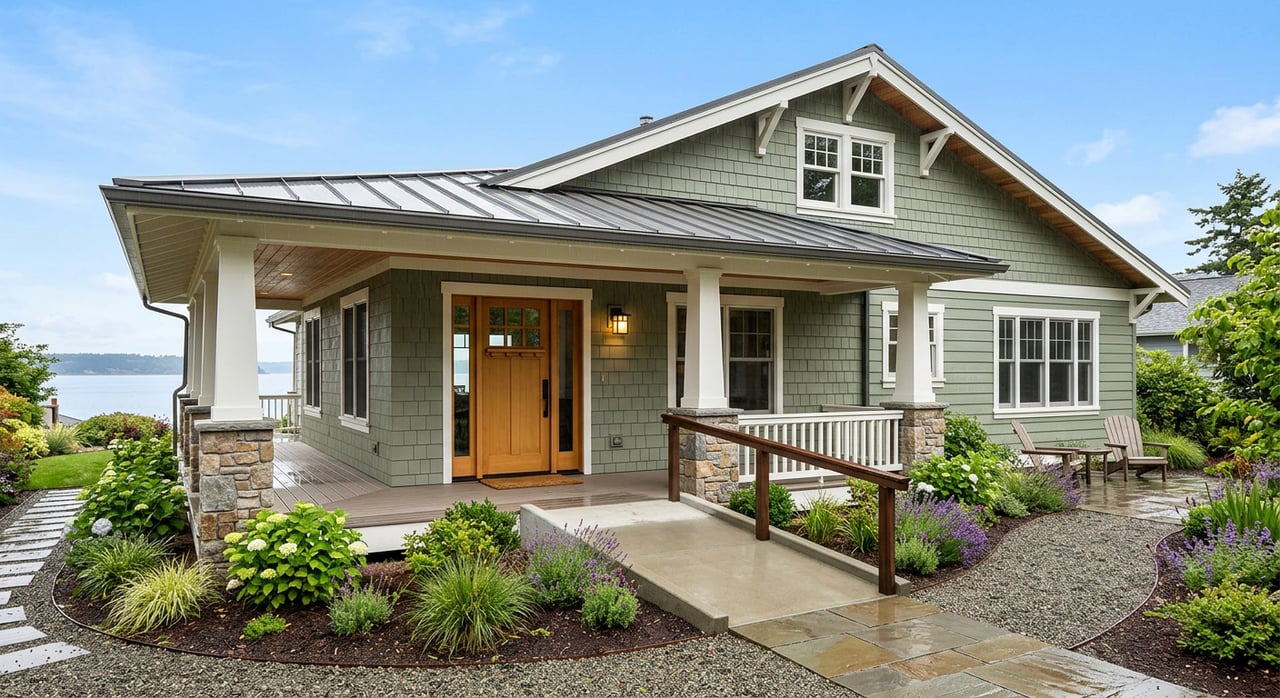
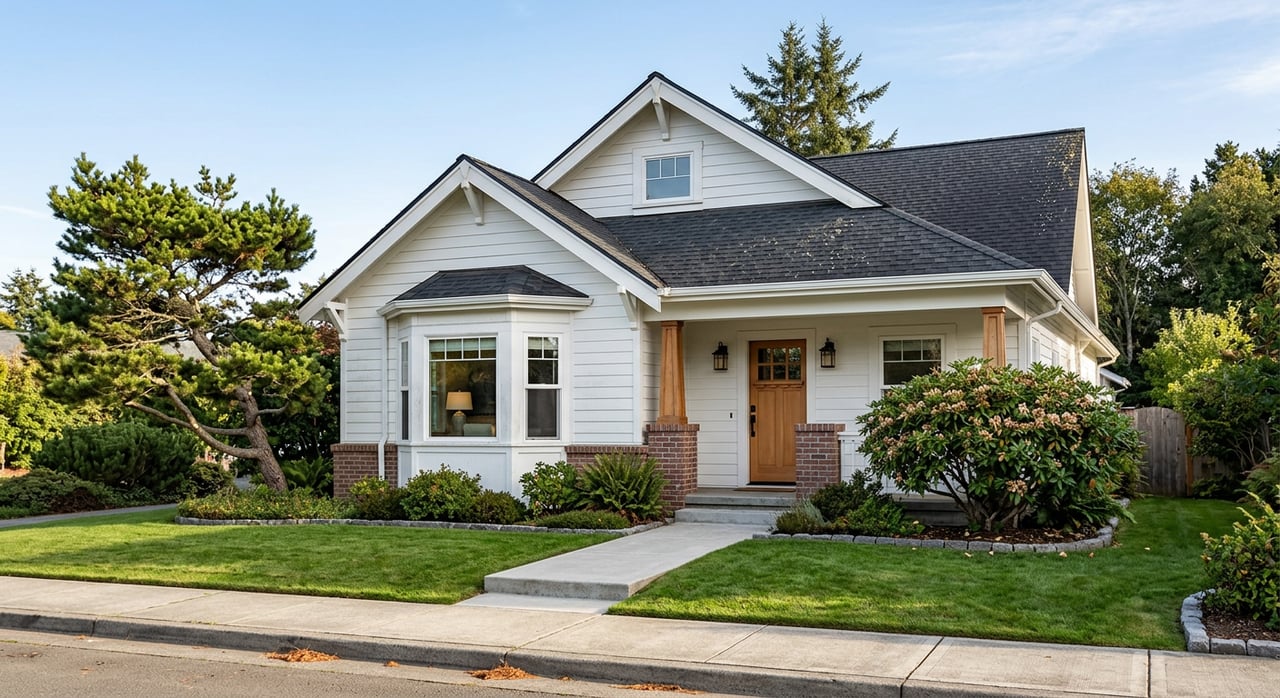
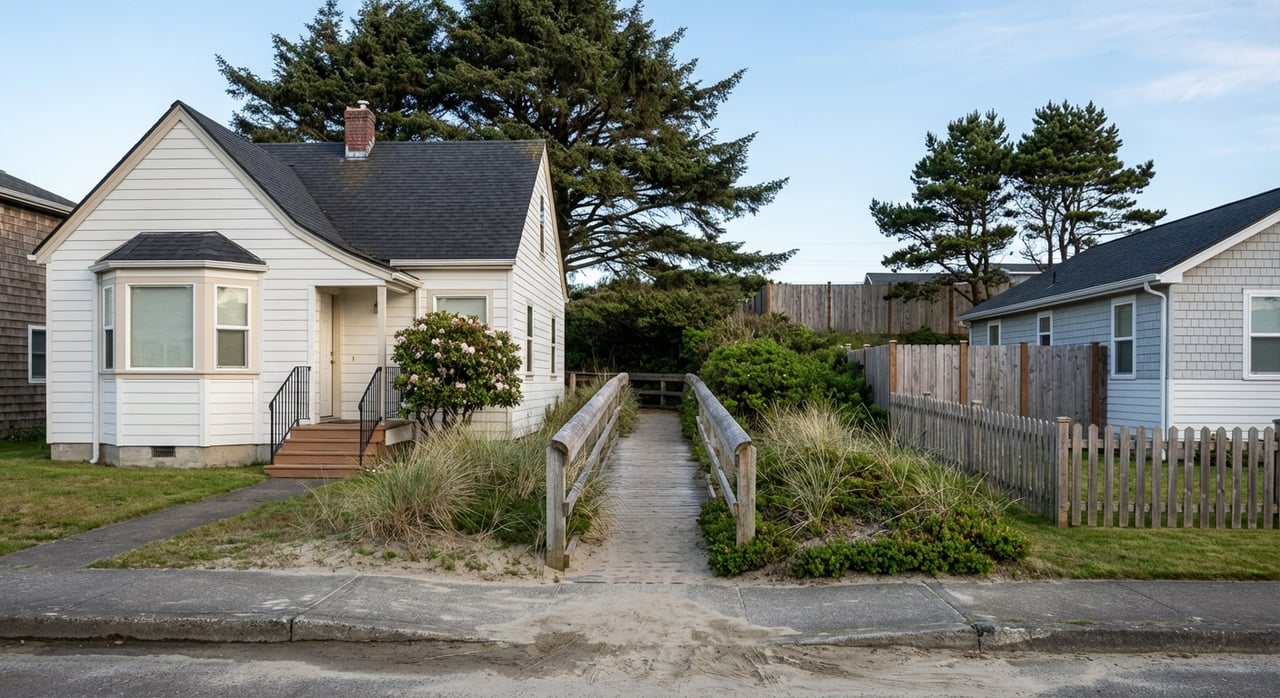
Ever notice how one street in Florence feels calm and sunny while another has a steady breeze and morning fog? That is a classic coastal microclimate at work. When you are choosing a home, these subtle differences can shape your daily comfort, your landscaping options, and your maintenance plan. In this guide, you will learn how wind, fog, and sun shift across Florence’s neighborhoods and what that means for outdoor living, upkeep, and inspections. Let’s dive in.
What creates Florence microclimates
Florence sits on the central Oregon coast where the Pacific keeps temperatures mild year-round. A cool marine layer often forms, especially in spring and early summer, and settles overnight and into the morning. That layer brings fog and low clouds that can linger in some pockets more than others.
The Siuslaw River mouth and estuary change how wind and fog move through town. Buildings, tree lines, and riverbanks can break up onshore flow, which creates sheltered zones that feel warmer and calmer. Open dune fields near the beach see stronger onshore winds and salt spray, while inland and tree-sheltered pockets see less wind.
The Oregon Dunes are active and dynamic. Where sand is mobile, wind speeds and sand transport are higher, which can increase abrasion on exterior surfaces and add cleanup needs. Seasonal shifts matter too. Winter brings stronger storms and heavy rain, while summer mixes pleasant sunny days with periodic fog and cool ocean breezes.
Neighborhood-by-neighborhood: what to expect
Old Town and riverfront
Old Town usually enjoys more shelter from direct ocean wind thanks to the river corridor, buildings, and estuary features. Morning fog can linger here, especially in low-lying or shaded spots. You will usually see less sand intrusion than dune-front areas.
- Outdoor living: Waterfront patios and promenades can be comfortable with lighter winds, but morning sun may be limited when fog sits low.
- Maintenance: Moisture management is key. Plan for good ventilation and moisture-resistant materials to reduce mold or rot in shaded areas. Corrosion risk is lower than dune-front but higher than inland, so use corrosion-resistant fasteners. Always review flood zones and base flood elevations if you are close to the river.
North of the bridge
Areas north of the Siuslaw River bridge vary block by block. Some streets are well sheltered by trees and gentle topography, while others align with wind corridors. Many pockets sit slightly farther inland than Old Town and can see a bit more daily sun while still under strong marine influence.
- Outdoor living: Many homes here strike a balance. Yards with tree shelter can work for year-round patios with smart windbreak plantings.
- Maintenance: Expect moderate moisture and corrosion exposure. Coastal-grade materials are wise. Keep an eye on tree cover and how it affects roof drying time and debris buildup.
Dunes-adjacent and beach-near properties
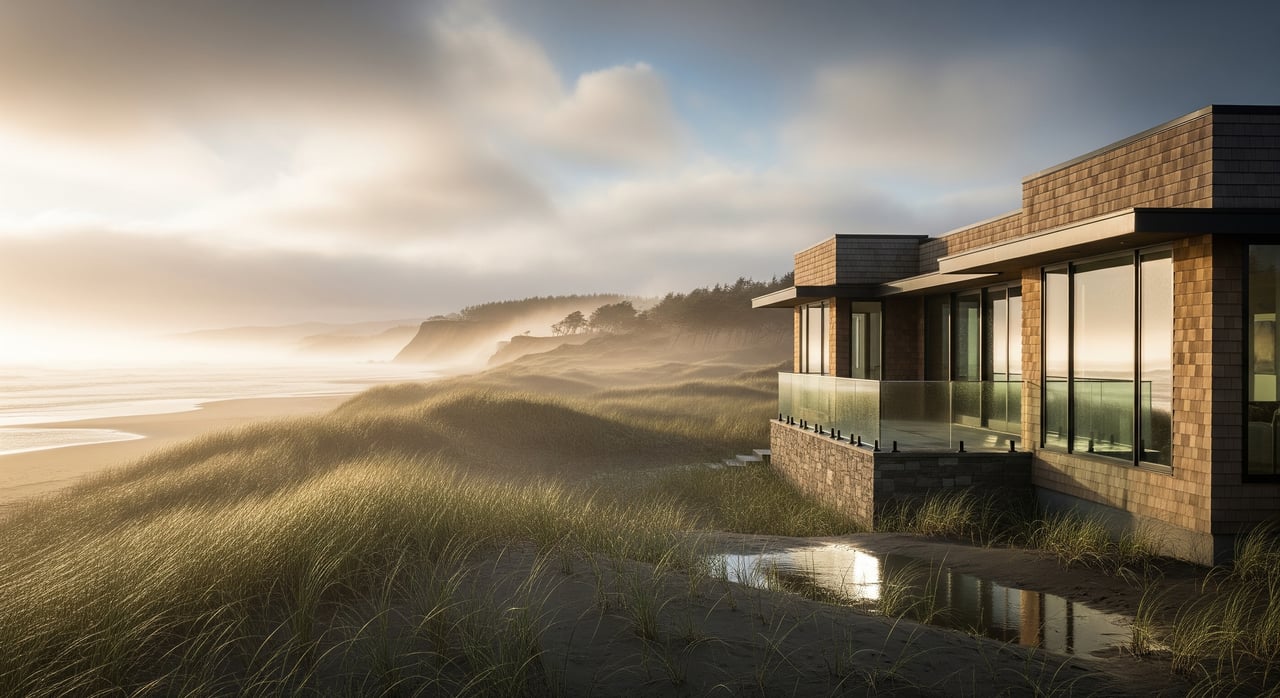
Homes near or facing the dunes and beach see the most onshore wind, blowing sand, and salt spray. On some ridges, wind disperses fog sooner during the day, but fog still occurs. Sand abrasion and salt can shorten the life of exterior finishes and metals.
- Outdoor living: Unprotected decks and patios can be less usable during windy periods. Outdoor furniture should be anchored or weighted and built for marine exposure. Plan on routine sand cleanup on decks, paths, and in entry areas.
- Maintenance: Expect accelerated wear on paint, wood, and exposed metal. Protective screens, durable coatings, and placing mechanical equipment on the leeward side help. Choose wind-tolerant, salt-tolerant plants and follow any dune protection rules for erosion control.
Golf corridor and inland-sheltered pockets
Neighborhoods along and near the golf corridor sit slightly inland with more tree cover and some elevation. These pockets are often calmer with more reliable afternoon sun and less sand intrusion. You will still have coastal moisture, but conditions are generally easier on exteriors than dune-front.
- Outdoor living: Great for year-round patios, outdoor kitchens, and gardens. Trees can provide pleasant wind breaks but increase leaf and debris cleanup.
- Maintenance: Repainting cycles are usually less frequent than dune-front, though still more than non-coastal areas. A wider plant palette can thrive here compared with beach-adjacent sites.
Outdoor living tips by microclimate
- Prioritize orientation: South and west-facing patios often get more afternoon warmth, but wind exposure can rise. Pair orientation with windbreaks.
- Build layered wind protection: Use fences, hedges, and pergolas to create calmer outdoor rooms. Plantings can soften wind without blocking all views.
- Choose durable surfaces: Composite decking, permeable pavers, and gravel paths reduce sand migration and hold up better near dunes.
- Plan for fog: In fog-prone spots, outdoor heat sources, clear roofing panels, or adjustable louvers help you enjoy decks earlier in the day.
Maintenance planning that fits the site
Coastal exposure affects exterior timelines. Your exact cadence will depend on location, materials, and how protected your home is.
- Exterior paint and finishes: Expect shorter cycles than inland. Exposed surfaces may need touch-ups or repainting about every 3 to 7 years.
- Metal components: Inspect railings, fasteners, and HVAC units at least once or twice yearly for early signs of corrosion.
- Roof and gutters: Check roofs after major wind events and clear gutters frequently, monthly if you have blowing sand or heavy leaf fall.
- HVAC service: Schedule at least annual servicing. Beach-near units may need more frequent checks and occasional rinse downs to remove salt.
How to evaluate a property on-site
Visit at different times if you can. A calm afternoon can feel very different from a breezy late morning with a marine layer.
- Wind exposure: Look for bent trees, worn paint, oxidized metal, and drifted sand. These are signals of prevailing wind direction and strength.
- Salt and sand signs: Check windowsills, railings, and exterior hardware for salt deposits or rust. Look for sand in gutters or at door thresholds.
- Fog and sun: Note how long fog lingers in the morning. Track sun on decks or patios during the hours you want to use them.
- Drainage and flood: Spot water stains on foundations, consider elevation relative to the river or beach, and review floodplain context if near low areas.
Inspection focus and smart material choices
Ask your inspector to evaluate coastal stress points and verify systems that manage moisture and wind.
- Exterior and roof: Inspect paint, siding, and protective coatings. Review roof condition, wind-rated fastening, overhangs, and flashing.
- Metals and fasteners: Look for corrosion on railings, deck hardware, roof flashings, and HVAC housings.
- Moisture control: Check foundation and crawlspace ventilation, vapor barriers, and any signs of rot or mold.
- Ventilation systems: Confirm bath and kitchen vents exhaust outdoors. Consider whole-house dehumidification or an HRV or ERV in fog-prone homes.
- Mechanical placement: Place heat pumps or condensers on the leeward side when possible and elevate units to reduce sand buildup.
- Landscaping and site: Favor native shrubs, dune-stabilizing grasses near dunes, and windbreaks where needed. Use permeable surfaces to limit sand migration.
Recommended materials for coastal resilience include fiber-cement siding, high-quality exterior paints designed for coastal exposure, stainless steel or hot-dip galvanized fasteners, composite decking, and roofing installed to coastal wind ratings. Windows and doors with good thermal breaks and drainage details help performance in damp, windy conditions.
Insurance, permits, and local rules
Flood exposure is a major consideration near the river and in low-lying coastal areas. Identify whether a property sits in a mapped flood zone and understand base flood elevations. Wind and storm exposure can influence insurance premiums and may require wind-resistant features.
Florence and Lane County apply coastal planning rules that cover setbacks, dune protection, and shoreline development. Certain dune stabilization, fencing, and landscaping activities may require permits. Verify that any existing decks, fences, or sand-control measures were permitted and that future projects align with local code.
Match your lifestyle to the right microclimate
There is no one-size-fits-all answer in Florence. Each neighborhood offers a different blend of wind, fog, sun, and maintenance needs.
- If you value calm riverfront ambiance and walkable amenities, Old Town can feel comfortable, but plan for moisture management and review flood considerations.
- If you want balance with a bit more sun, many north-of-the-bridge pockets deliver usable yards with moderate exposure.
- If you want instant access to dunes or beach, be ready for more frequent upkeep and invest in durable materials.
- If you prefer calmer afternoons for gardening and outdoor dining, inland golf-corridor areas often offer sunnier, sheltered micro-sites.
Take time to visit homes at different hours and on different weather days. Ask for recent maintenance records, and get quotes from local contractors for paint, roof, and HVAC service so you can budget with confidence.
Ready to compare properties with a coastal-savvy partner by your side? Reach out to Coast Properties Group | eXp Realty, LLC to align your lifestyle goals with the right Florence microclimate and home. Start Your Coastal Home Search.
FAQs
What is a microclimate in Florence?
- Microclimates are small-area weather patterns shaped by the ocean, dunes, river, and trees. They change wind, fog, and sun conditions from block to block.
How does fog affect home maintenance?
- Fog increases surface moisture that can lead to mold or rot in shaded or poorly ventilated areas. Proper venting and moisture-resistant materials reduce risk.
Are dunes-adjacent homes harder to maintain?
- Yes. Expect more frequent exterior painting and coating, faster wear on metals, and routine sand cleanup compared with more sheltered inland sites.
Can I have a garden near the beach in Florence?
- Yes, with the right plants. Choose salt- and wind-tolerant species, use windbreaks, and consider raised beds or permeable surfaces to manage sand.
What should I look for during a showing?
- Note wind signs, fog persistence, sun on outdoor spaces, salt or rust on hardware, sand accumulation, and drainage or flood indicators near foundations.
Do I need flood insurance near the river or low areas?
- Many riverfront and low-lying properties fall within flood zones. Confirm the specific designation and elevation for accurate insurance guidance.
When is the best time to visit a property to assess climate?
- Visit at least twice, ideally on a calm day and a windy or foggy day. Check mornings and late afternoons to see how the sun and wind change your outdoor spaces.